Stain & Chemistry Solver
Match 12 soils against 10 substrates. Computes target cleaning pH (pH 0–14), active surfactants, dwell times, and irreversible damage warnings.
Peer-reviewed technical protocols, transparent 2026 cost estimators, tenant move-out checklists, and contractor vetting standards alongside compassionate, certified guidance for severe hoarding and biohazard remediation.
Eliminate vendor guesswork, predatory pricing, and chemical damage. Access our peer-reviewed algorithmic tools designed for homeowners, tenants, facility directors, and grieving families.
Match 12 soils against 10 substrates. Computes target cleaning pH (pH 0–14), active surfactants, dwell times, and irreversible damage warnings.
Overwhelmed by a crisis, biohazard, death, or landlord dispute? Answer 3 questions to generate an immediate 3-step action roadmap, legal rights, and cost ballparks.
Model facility parameters to calculate standard ISSA 612 labor hours, crew sizing, 2026 market rates, and generate an audit-ready RFP specification document.
Objectively diagnose ICD Clutter Image Scale accumulation. Generates immediate room-by-room clearance tiers, dumpster volume calculations, and compassionate action roadmaps.
Whether you are booking a regular home clean, managing tenant turnover, or hiring specialty crews, use our objective market intelligence tools to protect your property and wallet.
How to verify General Liability, Janitorial Surety Bonds, and Workers' Comp COIs before allowing workers into your home.
Independent cleaner vs cleaning company, hourly vs flat-rate billing, and standard clean vs deep clean task matrices.
Tenant move-out deposit checklist, commercial janitorial RFP scope template, and 10-point cleaner interview questionnaire.
Square footage calculator, regional cost indexes across 50 states, and emergency response surcharge guidelines.
Evidence-based technical solutions for demanding property transitions, deposit recovery, fine construction dust, biological pet odors, and commercial compliance.
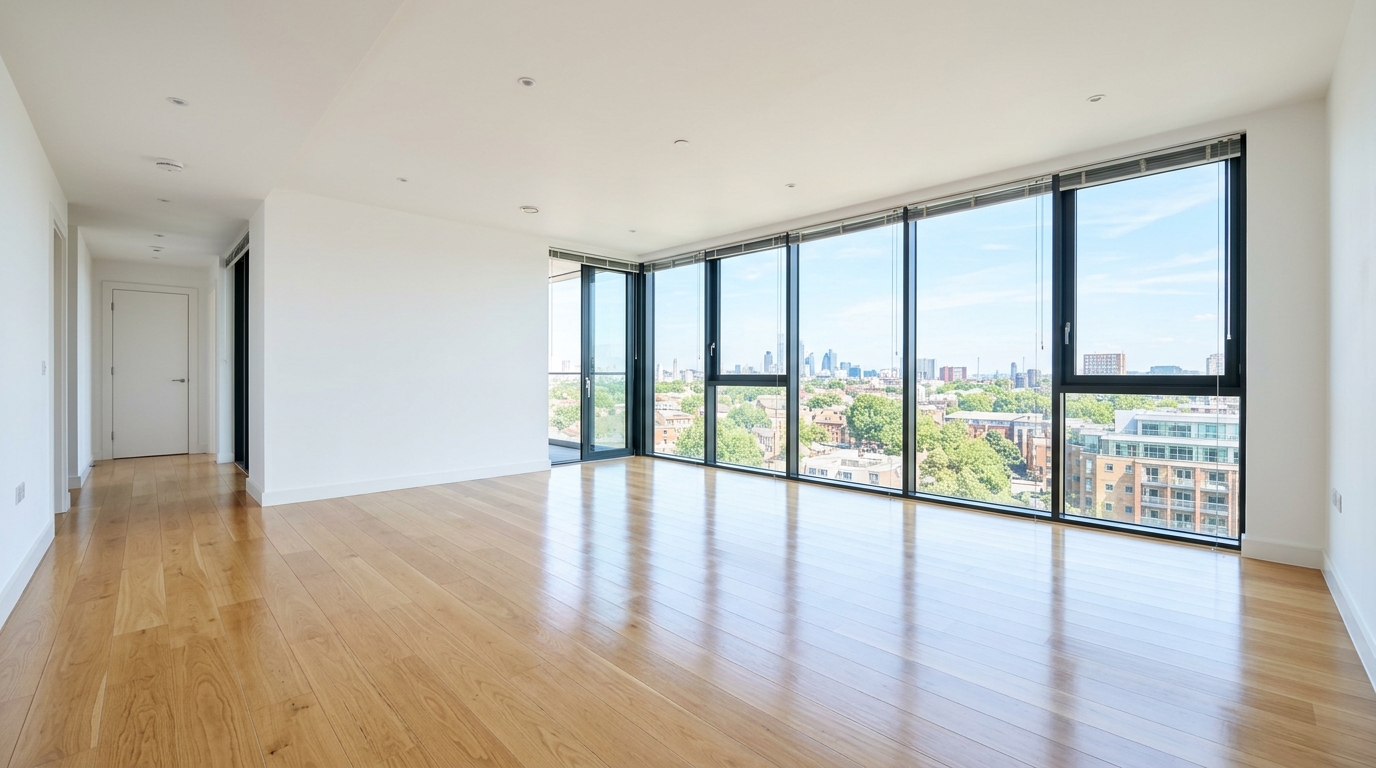
Room-by-room inspection standard under URLTA statutory law. Wear and tear vs damage thresholds and photo-documentation protocols.
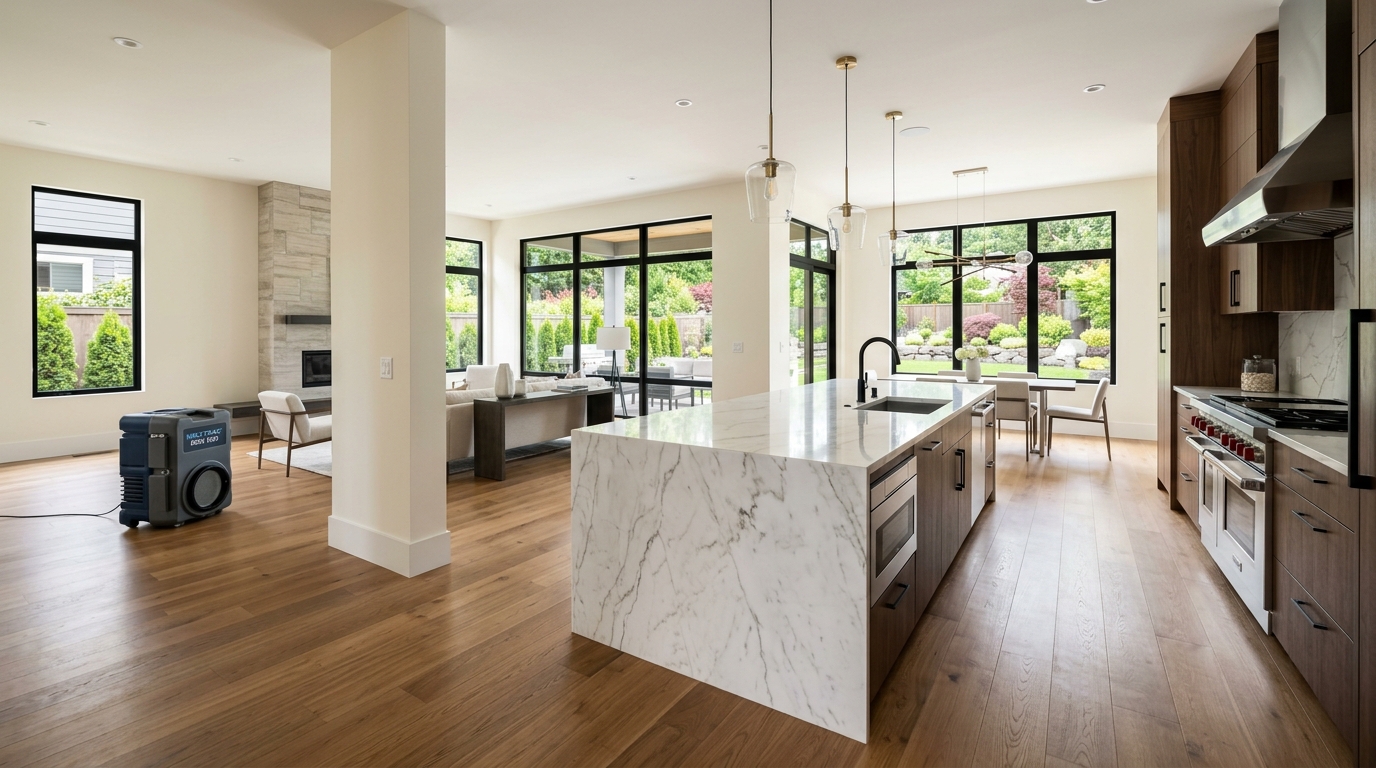
Why dry-sweeping drywall dust is hazardous. 3-phase HEPA dust extraction, OSHA 29 CFR 1926.1153 compliance, and protective film residue removal.
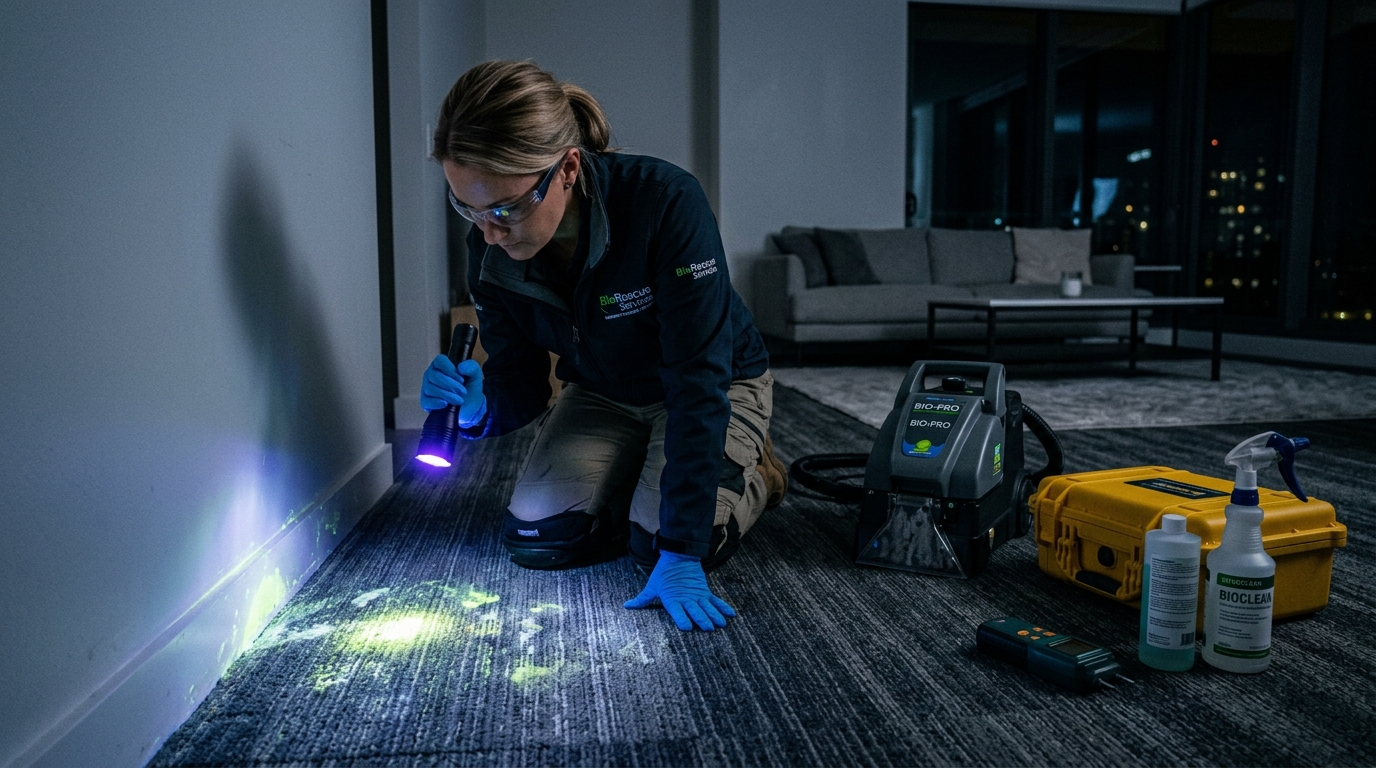
Why hot water steam permanently sets urine proteins. UV 395nm mapping, sub-surface Water Claw extraction, and live enzyme dwell wraps.

Why bleach fails on porous drywall. Negative air containment, IICRC S520 spore extraction, and EPA-registered anti-microbial encapsulation.
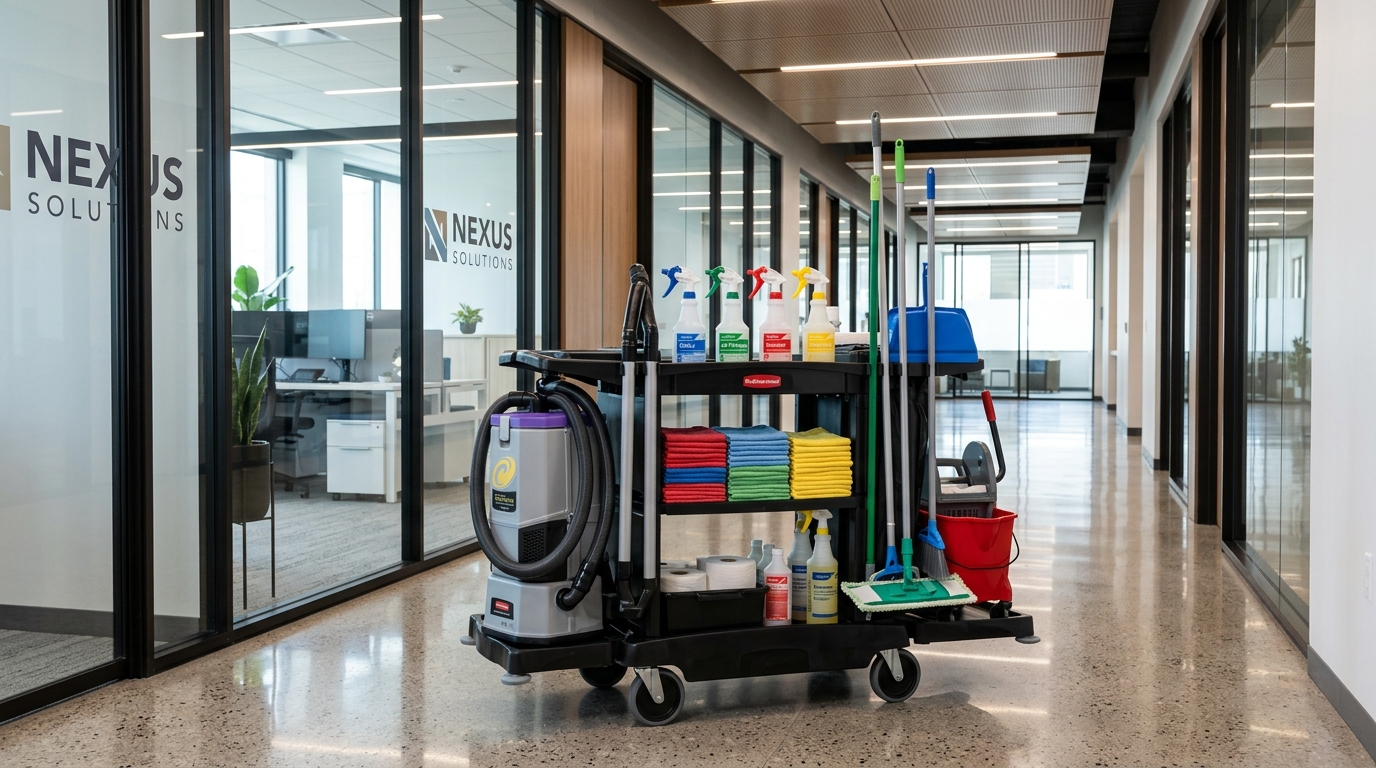
Comprehensive facility hygiene protocols, ATP surface luminescence testing, day-porter vs night-crew workflows, and RFP templates.
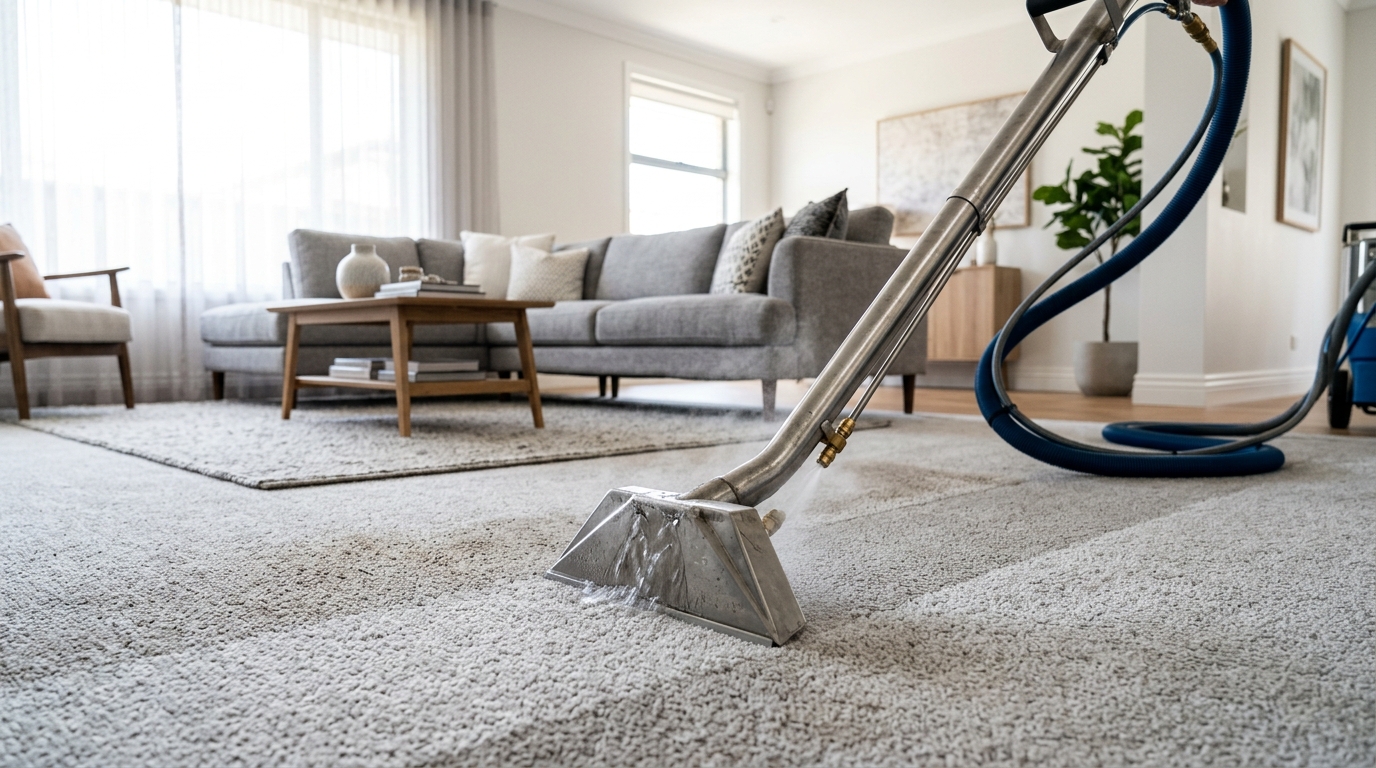
CRI-certified dual-motor extraction, fabric fiber burn tests, acidic rinse neutralization, and rapid 2-hour turbo drying physics.
When properties involve biological hazards, animal waste, severe accumulation, or municipal enforcement, our teams follow verified CDC, OSHA, and IICRC standards with complete discretion.
Clutter Image Scale methodology, structural floor load safety checks, and dignified phased sorting.
OSHA bloodborne pathogen clearance, deep biological deodorization, and direct insurance claims billing.
Why dry-sweeping is prohibited. 10-minute wet-disinfectant saturation and exclusion barrier sealing.

Systematic asset discovery searches for cash and deeds, municipal code clearance, and realtor prep.
We don't offer one-size-fits-all junk removal. Choose your circumstance below to see how we handle your specific emotional, legal, and privacy priorities.
Discovering that an aging parent is living in deep clutter is agonizing. Forced cleanouts trigger extreme distress and high relapse rates. Our team specializes in gentle, non-confrontational sorting that preserves your relationship while establishing critical safety zones.
You dread someone knocking on the door, a landlord inspection, or having a plumber enter your home. We understand how life events, ADHD, or grief lead to overwhelming accumulation. We offer complete discretion with zero judgment.
Grieving while being responsible for 40 years of accumulated belongings is physically and emotionally crushing. You cannot afford to accidentally toss deeds, stock certificates, cash, or irreplaceable family heirlooms into a dumpster.
When a formal citation lands on your door with a 48-hour or 7-day compliance deadline, the clock is ticking against lease forfeiture or municipal condemnation. We provide rapid triage focused strictly on the legal citations.
Calling for help is the hardest step. We designed our entire workflow to be respectful, transparent, and completely free of judgment or high-pressure tactics.
No lectures, no shame. Review objective hazard criteria, understand realistic timelines, and determine privacy protocols.
We review photos or conduct a quiet in-person walkthrough. Together, we establish clear boundaries: what stays, what is precious, and what areas need urgent care.
Our plainclothes team works at your pace. We meticulously search for and secure family photos, cash, and vital legal papers into sealed bins before sorting.
Hospital-grade disinfection, HEPA air scrubbers, and odor neutralization. We restore safe, healthy, livable air and surfaces so you can breathe freely again.
We believe families, tenants, and homeowners deserve complete pricing clarity. Use our specialized algorithmic cost tools to estimate real-world dumpster volumes, hourly labor tiers, and biohazard disposal costs.
Estimate dumpster cubic yardage, labor crews, and municipal disposal surcharges for Levels 1 to 5 hoarding and gross filth remediation.
Calculate realistic pricing for standard residential, deep turnover, and specialized biohazard remediation across all 50 states with regional labor multipliers.
Understand homeowner insurance policies (HO-3 / HO-5), sudden vs gradual clauses, biohazard riders, and how to direct-bill remediation costs.
Severe accumulation often stems from deep trauma, OCD, chronic illness, or grief. Forced cleanouts cause severe panic and an estimated 95%+ relapse rate. We advocate for human dignity, constructive communication, and lasting peace.
Read our non-judgmental guide for adult children, spouses, and caregivers. Learn proven de-escalation conversational phrases, how to establish a peaceful 'Sanctuary Room,' and how to work with municipal inspectors constructively without humiliating your family.
Evidence-based investigative briefings on rental deposit recovery statutes, post-construction silica safety, acid-base cleaning chemistry, and contractor insurance vetting.
State statutory return deadlines (NY 14 days, CA 21 days, TX 30 days), wear vs damage distinctions, and photographic evidence checklists.
Microscopic aerodynamics of respirable crystalline silica (PM2.5), secondary aerosol clouds, and 3-phase negative air HEPA scrubbing.
Why combining vinegar and baking soda yields inert salt water, targeted pH cleaning chemistry, and natural stone etching risks.
Evidence-based answers to key questions about cleaning protocols, deposit recovery, insurance coverage, and contractor hiring standards.
Standard maintenance cleaning focuses on routine surface maintenance: vacuuming accessible floors, mopping, surface dusting, bathroom sanitation, and wiping countertops. Deep turnover cleaning addresses deep-seated residue and neglected surfaces: inside ovens and range hoods, behind and beneath major appliances, scrubbing window tracks, descaling bathroom tile grout, washing baseboards, and sanitizing interior cabinetry. Deep cleans typically require 2 to 3 times more labor hours.
Under the Uniform Residential Landlord and Tenant Act (URLTA), landlords cannot legally withhold security deposits for ordinary wear and tear (such as minor carpet fading or microscopic nail holes). To guarantee full deposit recovery: follow our standardized room-by-room move-out protocol, pull your original move-in inspection sheet, take high-resolution date-stamped video walk-through footage after cleaning, and schedule a joint walk-through inspection with your landlord prior to surrendering keys.
Dry-sweeping aerosolizes microscopic respirable crystalline silica (OSHA 29 CFR 1926.1153) and pathogenic bio-aerosols (like Hantavirus Pulmonary Syndrome from rodent feces). These particles remain airborne for 12 to 24 hours and penetrate deep into alveolar lung tissue. Construction dust and animal droppings must always be wet-saturated with a disinfectant solution for 10 minutes and extracted using certified true HEPA-filtered vacuum systems.
Never accept a verbal claim or a simple paper photocopy. Request a formal Certificate of Insurance (COI) sent directly from the contractor's insurance broker naming you as the Certificate Holder. Verify at least $1,000,000 in Commercial General Liability, a Janitorial Surety Bond (protecting your personal property against theft), and Statutory Workers' Compensation coverage so you are never held financially liable if a cleaner is injured on your property.
Conventional carpet shampooers use hot water steam. Heat permanently cooks and denatures animal protein into synthetic carpet fibers and dissolves uric acid crystals, driving them deeper into the carpet backing, cushion pad, and subfloor. When ambient humidity increases, dried uric acid crystals reactivate and release pungent ammonia gas. Complete remediation requires sub-surface extraction tools (like the Water Claw) and cold enzymatic bio-digestion.
Under OSHA 29 CFR 1910.1030 (Bloodborne Pathogen Standard), employers and property managers cannot expose general maintenance staff to blood, bodily fluids, or biological tissue without certified pathogen training, Hepatitis B immunizations, specialized PPE, and medical bio-waste disposal manifests. Certified biohazard contractors provide legal disposal manifests and ATP bioluminescence clearance certificates protecting property owners from severe liability.
Explore the standard 5-level clinical classification used by municipal health departments, adult protective services, and certified remediation contractors.
All doors, hallways, and stairwells are completely clear. No biological hazards, pet waste, or structural obstacles. Fire egress routes are fully compliant.
One major exit blocked, light odor, minor pet accidents unattended for 24-48 hours. Utilities operational, but clutter beginning to pile on counter tops and secondary rooms.
Hallways narrowed to "goat paths" (less than 24 inches wide). At least one broken major utility (plumbing leak, broken toilet, non-working refrigerator with spoiled food). Active insect infestation and strong organic odors.
Severe sewage backup, unattended pet feces throughout multiple rooms, structural rot under flooring, insect or rodent infestation. Multiple exits impassable. Respiratory danger from ammonia vapors and aerosolized pathogens.
Ceiling collapse, structural floor joist failure due to excessive weight, human waste accumulation, animal carcasses, active gas leaks or disconnected utilities. Direct violation of building code; imminent condemnation notice.