Evidence-Based Problem Cleaning Library

Specialized Problem Cleaning & Turnaround Guides

Engineered protocols for the toughest residential and commercial challenges: tenant security deposit recovery, post-construction silica dust, permanent pet urine eradication, Airbnb turns, and non-toxic chemistry.

Showing all 9 specialized cleaning guides
Interactive Checklists Hub 2026 Cost Estimator Contractor Vetting Guide
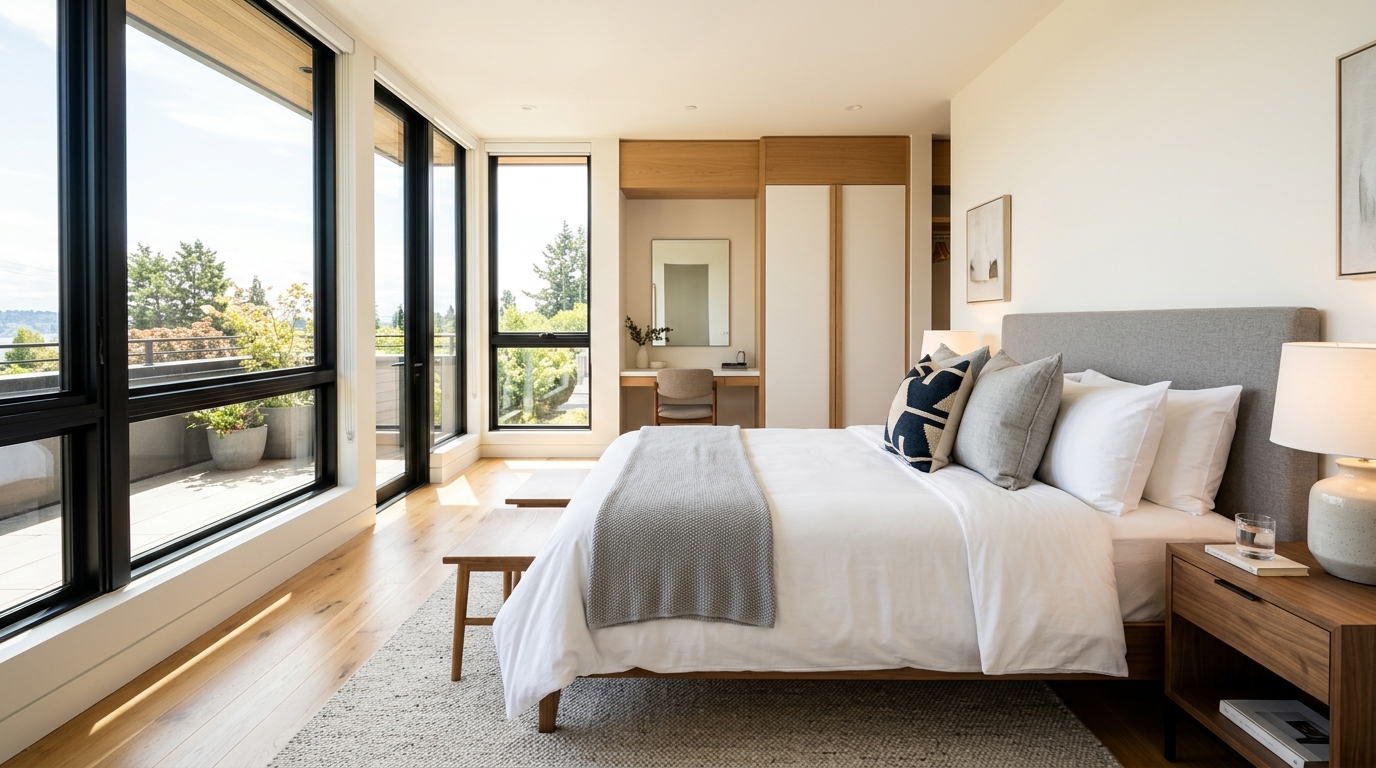
Tenant Move-Out Cleaning & Full Security Deposit Recovery
DEPOSIT RECOVERY STANDARD
๐Ÿ”‘ Residential Turnovers
Tenant Protection
โฑ๏ธ 8 min read

Tenant Move-Out Cleaning & Full Security Deposit Recovery

A methodical, room-by-room move-out cleaning protocol engineered to meet strict landlord inspection checklists and legally safeguard your security deposit.

Core Protocol Takeaways:

  • Target the top 5 landlord deduction triggers: oven interior, drip pans, baseboard grime, refrigerator gaskets, and bathroom grout scale.
  • Document move-out conditions with timestamped HD photos and wide-angle video before handing over the keys.
  • Know your state legal limits: normal wear-and-tear cannot legally be deducted from your deposit under state residential tenancy acts.
  • Use our copyable Landlord Move-Out Inspection Pre-Walkthrough request letter.

The Top 5 Security Deposit Deductions (And How to Avoid Them)

Property managers and landlords consistently withhold deposit funds for the same five overlooked areas. Tackle these first before doing cosmetic cleaning.

  1. Oven & Range Hood Degreasing: Remove racks and soak overnight in baking soda/dawn dish soap slurry. Clean fan filters using boiling water and sodium percarbonate.
  2. Inside Appliances: Pull out the refrigerator; clean condenser coils, wipe door gasket folds, and wash crisper drawers in warm soapy water.
  3. Window Sills, Tracks & Blinds: Vacuum out dead insects and dust from slider window tracks; wipe down individual horizontal blind slats with microfiber mitts.
  4. Baseboards & Door Frames: Remove shoe scuffs with melamine foam (Magic Eraser) without stripping satin or semi-gloss wall paint.
  5. Hard Water Mineral Scale & Grout: Apply sulfamic acid or mild citric acid gel to shower door glass and grout joints; avoid chlorine bleach on colored grout.

Normal Wear and Tear vs. Tenant Damage

Under statutory landlord-tenant laws across state jurisdictions, landlords cannot deduct for ordinary deterioration resulting from everyday reasonable use.

  • Normal Wear (Non-Deductible): Faded carpet in high-traffic hallways, minor pinholes from hanging picture frames, light scuff marks on high-traffic door knobs, worn finish on hardwood floors.
  • Actionable Damage (Deductible): Pet urine saturation in carpets/subfloor, large holes in drywall, burns or deep cuts in laminate countertops, uncleaned grease caked inside ovens, unauthorized painting.

Landlord Walkthrough & Sign-off Strategy

Request an initial pre-inspection walkthrough 10 to 14 days prior to lease termination. This gives you written notice of any deficiencies with time to cure them yourself before final deduction.
Post-Construction Dust & Fine Silica Remediation Protocol
CONSTRUCTION SPECIFICATION
๐Ÿ—๏ธ Specialized Cleaning
Silica & Fine Dust
โฑ๏ธ 9 min read

Post-Construction Dust & Fine Silica Remediation Protocol

Professional multi-phase protocol for eliminating micro-fine drywall dust, crystalline silica, and paint overspray without damaging delicate new finishes or recirculating dust through HVAC systems.

Core Protocol Takeaways:

  • Never dry-sweep construction dust: dry sweeping aerosolizes crystalline silica particles (< 2.5 microns) that linger for 12+ days.
  • The 3-Phase Standard: Rough Clean (debris/stickers), Deep Clean (HEPA filtration, wet wipe), and Final Fluff Clean (24 hours post-settling).
  • HVAC isolation is mandatory: seal supply and return registers before vacuuming to avoid blowing dust into furnace blowers and ductwork.
  • Use microfiber charged with static surfactant solutions rather than plain water to prevent smearing white haze.

Phase 1: Rough Clean (Debris & Surface Stripping)

Conducted immediately after trade contractors finish work. Focuses on removing protective films, contractor stickers, drywall joint compound clumps, and sweeping large debris with sweeping compounds.

Phase 2: Deep Scrub & Airborne Extraction

This is where 80% of the labor occurs. Top-to-bottom vertical cleaning prevents re-contaminating finished lower surfaces.

  1. Ceiling & High Fixtures: Clean recessed light housings, smoke detectors, crown molding, and ceiling fan blades using static-charged telescoping poles.
  2. Vertical Wall Damp-Wiping: Walls must be vacuumed with soft-bristle HEPA attachments, followed by damp microfiber pads rinsed frequently in clean water baths.
  3. Cabinetry Interiors: Vacuum inside every drawer glide and upper cabinet corner before wiping laminate or solid wood shelves.
  4. Floor Stripping: Use pH-neutral floor cleaners suited for hardwood or luxury vinyl tile (LVT); avoid alkaline strippers that haze matte polyurethane coats.

Phase 3: The 24-Hour Final Clean

Micro-fine dust remains suspended in the air column for 18 to 24 hours. A final damp wipe down of all horizontal countertops, switchplates, and window sills is required the next day.

Pet Stains & Severe Urine: Subfloor Enzymatic Remediation
ENZYME CHEMISTRY STANDARD
๐Ÿพ Biological Deodorization
Enzyme Science
โฑ๏ธ 7 min read

Pet Stains & Severe Urine: Subfloor Enzymatic Remediation

Why standard supermarket cleaners fail on pet urine, how uric acid crystals bond to subflooring, and the exact multi-step bio-enzymatic protocol required for permanent odor elimination.

Core Protocol Takeaways:

  • Pet urine is composed of urea, urochrome, and uric acid crystals. Soap and water remove the urea, but moisture reactivates uric acid crystals for up to 5 years.
  • Never use steam cleaners on fresh pet urine: high heat permanently cooks the animal protein into nylon and wool carpet fibers.
  • Subfloor penetration: in repeated marking spots, urine penetrates carpet face fibers, latex backing, cushion padding, and absorbs into wood subfloors or concrete.
  • Requires live bacterial spore bio-enzymatic digesters with a minimum 4 to 8 hour wet dwell time under plastic sheeting.

The Biochemistry of Pet Urine Odors

As pet urine dries, bacteria consume the urea and off-gas pungent ammonia vapors. When humidity rises, the remaining uric acid salts produce pungent mercaptans that attract pets back to re-mark the same territory.

Step-by-Step Subfloor Remediation Protocol

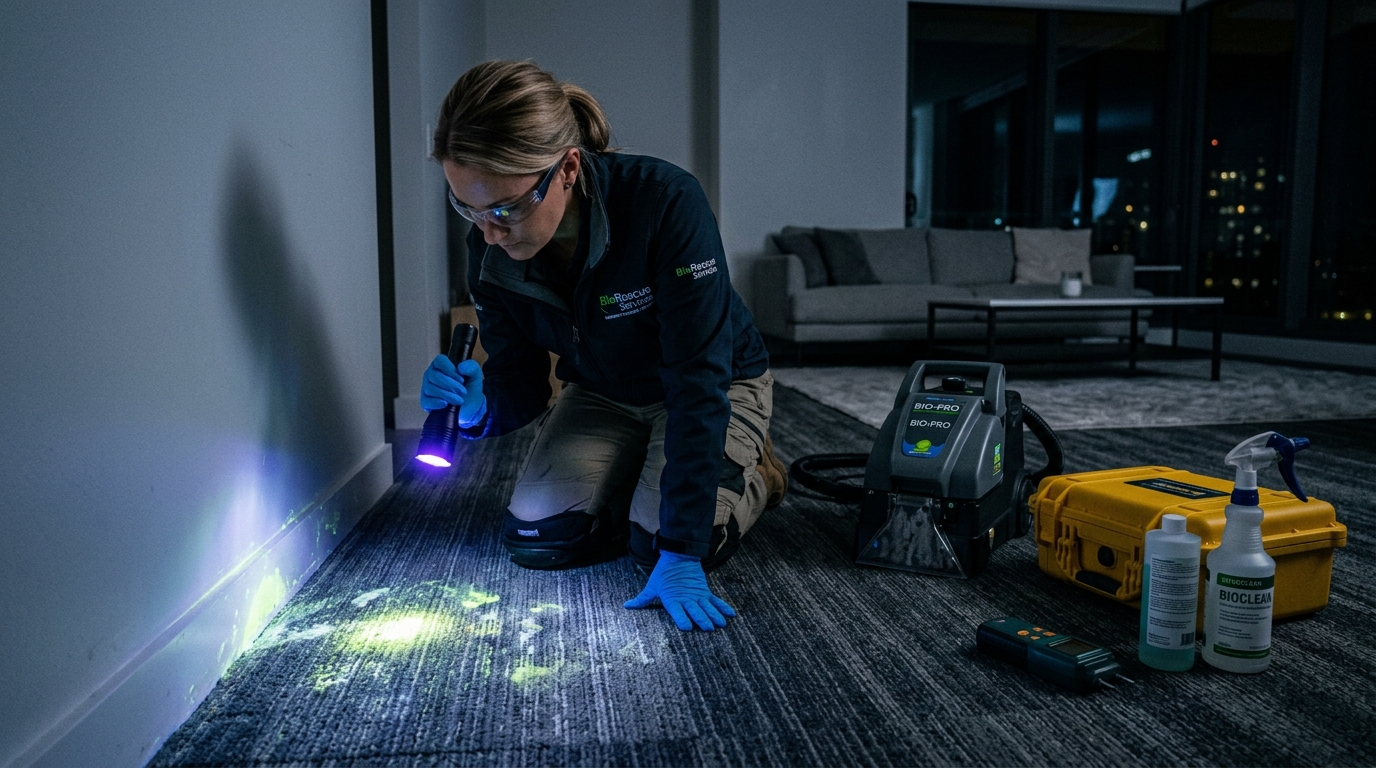
  1. UV Blacklight Inspection: Use a 395nm or 365nm ultraviolet flashlight in complete darkness to illuminate neon-yellow glowing uric acid deposits across baseboards and carpet.
  2. Moisture Meter Mapping: Pin-type moisture meters detect elevated salt conductivity in carpet backing even if the stain looks dry on the surface.
  3. Sub-Surface Extraction Tool: Saturate the spot with enzymatic solution and extract from the subfloor using a weighted Water Claw or subsurface carpet extraction tool without pulling up the carpet.
  4. Enzymatic Dwell Wrap: Cover the saturated area with polyethylene sheeting for 6โ€“12 hours to prevent premature evaporation, allowing bacteria to digest uric crystals.
  5. Subfloor Encapsulation (Severe Cases): If padding and subfloor are saturated, peel back carpet, replace padding, clean wood with hydrogen peroxide, and apply two coats of shellac-based primer (e.g., Zinsser BIN) to seal the subfloor.
Vacation Rental (Airbnb / VRBO) 4-Hour Turnover Protocol
5-STAR SUPERHOST STANDARD
๐Ÿ–๏ธ Short-Term Rentals
5-Star Hospitality
โฑ๏ธ 8 min read

Vacation Rental (Airbnb / VRBO) 4-Hour Turnover Protocol

Systematic checklist and quality-control protocol designed for hosts and turnover cleaners to deliver immaculate 5-star cleanliness within tight 10 AM to 3 PM check-in windows.

Core Protocol Takeaways:

  • The Triple-Sheet & 3-Set Linen Rotation System: Never wash bed sets on-site during tight turns; always swap with pre-laundered sets.
  • The First 60 Seconds: Guest optical inspection focuses on three high-friction touchpoints: hair in bathroom showers/sheets, odor upon entering, and clean glassware.
  • Stock & Maintenance Audit: Integrate automated restock reporting (coffee, toilet paper, toiletries) with damage photo documentation before the next arrival.
  • Lockbox & Digital Access Verification: Test smart locks and battery levels on every single turnover to prevent locked-out guest escalations.

The 4-Hour Turnover Clock & Workflow Order

Working out of sequence causes panic and missed items. Follow this strict production line order.

  1. Minute 00โ€“15 (Triage & Strip): Strip all linens/towels, inspect mattresses for stains, spray shower walls with foam cleaner, check refrigerator for left-behind groceries, empty all trash bins.
  2. Minute 15โ€“75 (Bathrooms & Kitchen): Scrub toilets, showers, and glass to zero water spots. Sanitize microwave, oven front, sink basin, and wipe coffee maker drip tray.
  3. Minute 75โ€“150 (Bedrooms & Dusting): Make beds with crisp hospital corners using the clean linen cache; dust nightstands, lampshades, and ceiling fans.
  4. Minute 150โ€“210 (Floors & Detailing): Vacuum under beds and sofas; mop hard floors from back of home toward the entrance; wipe smudges off entrance door handle.
  5. Minute 210โ€“240 (Final Staging & Photos): Stage welcome basket, check thermostat to 68-70ยฐF, take 4 timestamped staging photos for host insurance, and lock property.
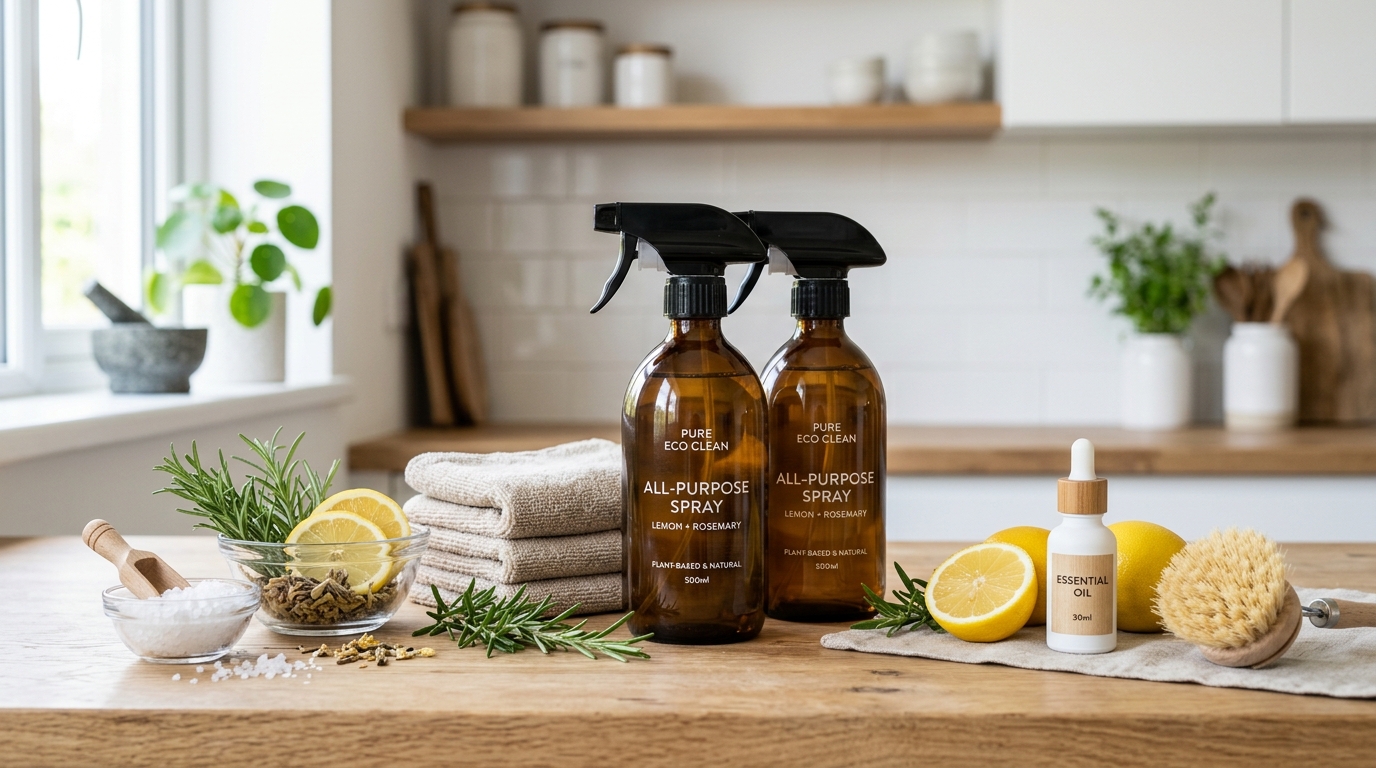
Eco-Friendly & Non-Toxic Home Cleaning: Chemistry & Efficacy
GREEN CHEMISTRY STANDARD
๐ŸŒฟ Green Chemistry
Non-Toxic Living
โฑ๏ธ 7 min read

Eco-Friendly & Non-Toxic Home Cleaning: Chemistry & Efficacy

Evidence-based green cleaning: separating scientifically proven plant surfactants and EPA Safer Choice disinfectants from ineffective folklore and dangerous DIY chemical mixtures.

Core Protocol Takeaways:

  • Never mix Vinegar and Bleach (creates toxic chlorine gas) or Vinegar and Hydrogen Peroxide (creates corrosive peracetic acid).
  • Vinegar + Baking Soda myth: Mixing them creates sodium acetate (salt water) and bubbles off CO2, neutralizing both the acid and the alkaline cleaning powers.
  • True Green Disinfectants: Look for EPA List N thymol (thyme oil derivative), citric acid, and accelerated hydrogen peroxide (AHP) that achieve 99.99% pathogen clearance with zero toxic VOCs.
  • Indoor Air Quality: Conventional fragranced cleaners emit volatile organic compounds (VOCs) and synthetic terpenes that react with ozone to create indoor formaldehyde.

Demystifying DIY Folklore vs Real Chemical Science

Understanding pH is the cornerstone of non-toxic cleaning. Acids dissolve minerals and scale; alkalines dissolve grease and oils.

  1. Acids (pH 2โ€“3, Citric Acid / Vinegar): Use exclusively for hard water stains, calcium build-up, coffee maker descaling, and soap scum.
  2. Alkalis (pH 8โ€“10, Baking Soda / Washing Soda): Use for saponifying kitchen grease, burnt pans, oven splashes, and laundry boosting.
  3. Surfactants (Castile Soap / Alkyl Polyglucosides): Plant-derived molecules that break water surface tension, lifting dirt particles so they rinse away cleanly.
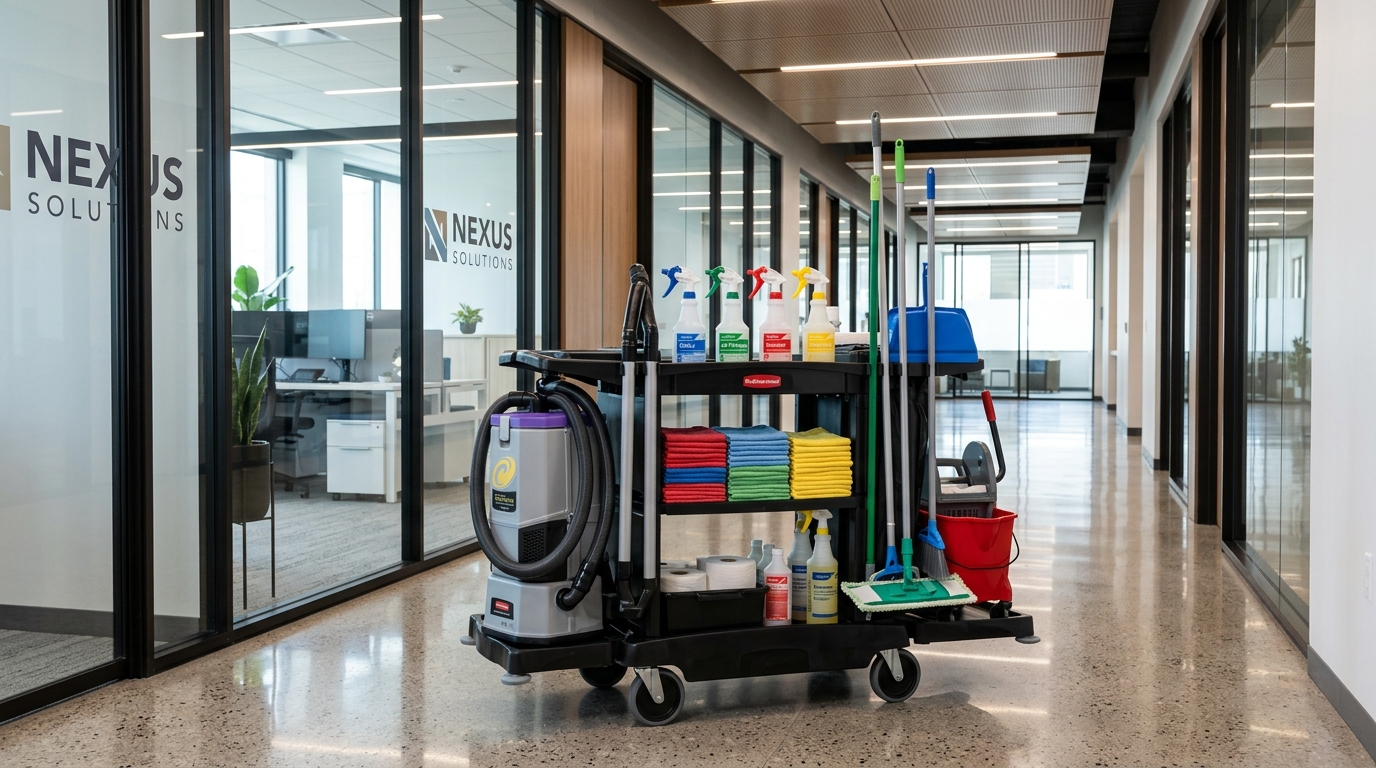
Commercial Office Janitorial Scope & Cross-Contamination Control
FACILITY SCOPE STANDARD
๐Ÿข Commercial Cleaning
Facility Management
โฑ๏ธ 8 min read

Commercial Office Janitorial Scope & Cross-Contamination Control

Professional facility management standard for daily, weekly, and monthly office cleaning scopes, including square-foot production rates and 4-color microfiber cross-contamination systems.

Core Protocol Takeaways:

  • Color-Coded Microfiber Standard: Red for high-hazard restrooms/toilets, Yellow for restroom sinks/mirrors, Blue for general office desks/glass, Green for kitchen/breakrooms.
  • Commercial Production Rates: Standard office cleaning averages 2,500 to 4,000 square feet per labor hour for general light office, and 1,500 sq ft/hr for heavy medical/tech suites.
  • High-Touch Fomite Sanitation: Keyboards, conference room touchscreens, microwave handles, elevator buttons, and water coolers require daily dwell-time disinfection.
  • Contractor Scope Transparency: Avoid vague terms like 'clean as needed'; require exact square foot frequencies and chemical Safety Data Sheets (SDS) in your service contract.

The 4-Color Microfiber Cross-Contamination System

Prevents fecal and bacterial pathogens from restroom fixtures from ever reaching desktop surfaces, phones, or kitchen counters.

Standard Commercial Janitorial Scope Frequency Matrix

Clearly defines daily trash/recycling, twice-weekly vacuuming, weekly glass polishing, and monthly carpet extraction frequencies.

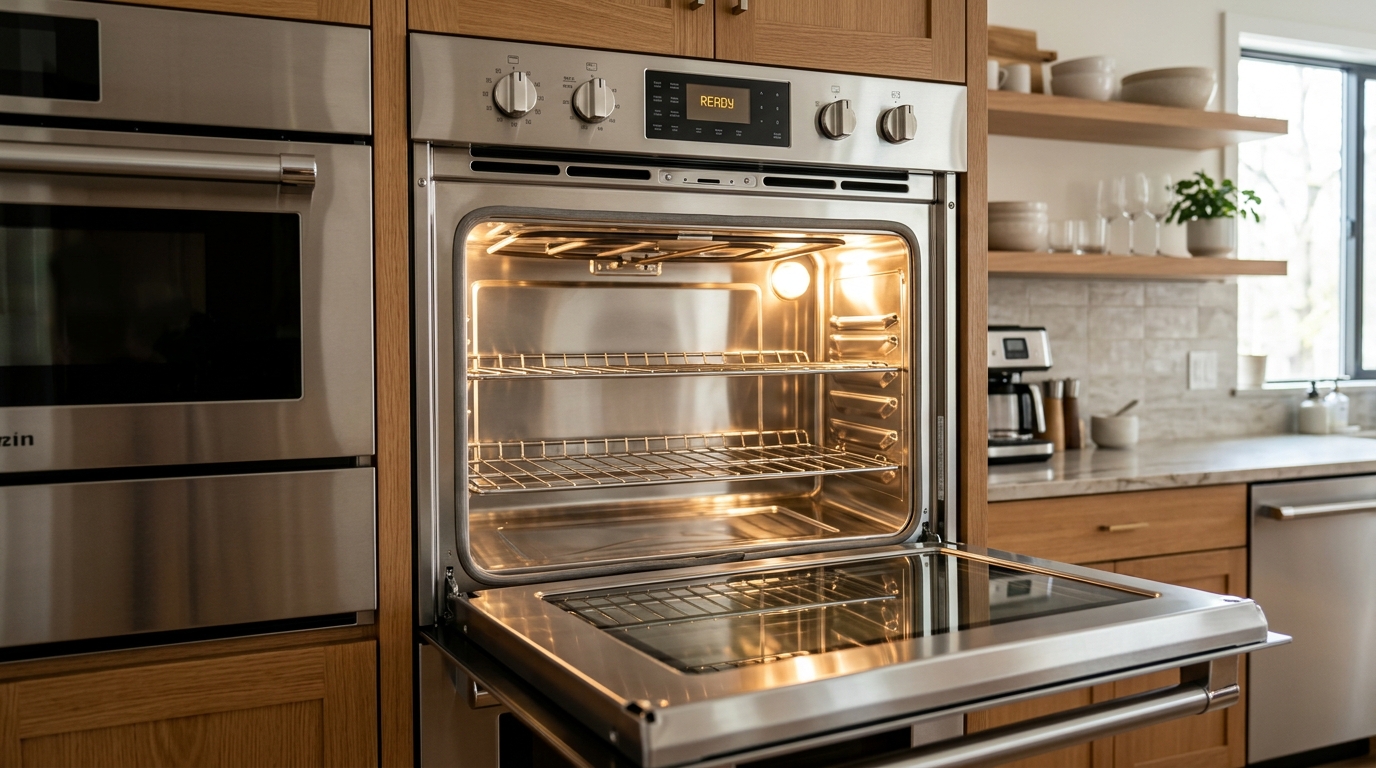
Oven, Cooktop & Range Hood Grease Decontamination Protocol
APPLIANCE RESTORATION STANDARD
๐Ÿณ Kitchen & Appliances
Appliance Restoration
โฑ๏ธ 8 min read

Oven, Cooktop & Range Hood Grease Decontamination Protocol

Forensic chemical restoration for heavy burnt-on carbon, polymerized grease, and range hood ventilation baffles without hazardous caustic lye.

Core Protocol Takeaways:

  • Avoid High-Heat Self-Cleaning: Heating to 900ยฐF releases toxic fluoropolymer vapors (fatal to pet birds) and commonly damages thermal fuses.
  • Polymerized Grease Chemistry: Baked grease is an ester that must be saponified by high-pH alkaline solutions (pH 10โ€“11) like sodium carbonate (washing soda).
  • Protect Porcelain Enamel: Never use wire brushes or steel wool on cavity walls, which scratch porcelain and cause rapid sheet metal rusting.
  • Boiling Percarbonate for Filters: Submerge baffle and mesh filters in boiling water with sodium percarbonate to dissolve 100% of grease in 15 minutes.

The Chemistry of Burnt Carbon & Saponification

Polymerized fats require alkaline saponifiers (washing soda), while black carbon crust requires moist chemical dwell softening.

Range Hood Baffle & Mesh Filter Restoration

Effervescent oxygen bubble immersion dissolves grease from multi-layer mesh in under 15 minutes with zero scrubbing.

Window Tracks, Glass & Mineral Scale Restoration Protocol
ARCHITECTURAL GLAZING STANDARD
๐ŸชŸ Architectural Glazing
Optical Clarity
โฑ๏ธ 8 min read

Window Tracks, Glass & Mineral Scale Restoration Protocol

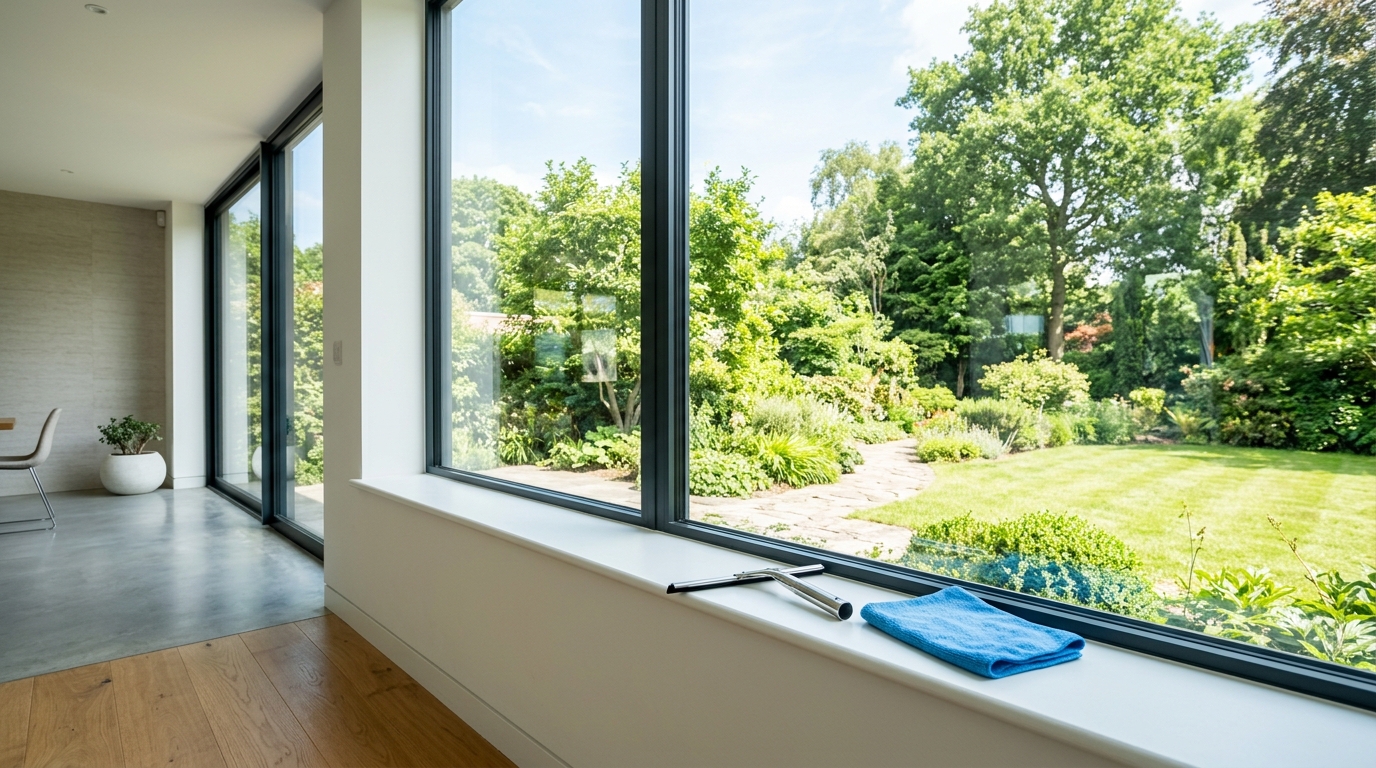
Architectural window cleaning standard: removing hard water mineral etching, sliding track dry extraction, weep hole clearing, and streak-free glass.

Core Protocol Takeaways:

  • Ditch Paper Towels: Paper towels deposit dissolved wood pulp glues and create electrostatic charges that attract dust. Use vulcanized rubber squeegees.
  • Vacuum First, Clean Second: Never spray liquid into dry window tracks; it turns dry dirt into sticky mud. Always dry-vacuum with a crevice nozzle first.
  • Clear Drainage Weep Holes: Exterior frame weep holes prevent wind-driven rainwater from backing up into wall cavities and causing mold.
  • Reverse Mineral Etching: Dissolve Stage 1 sprinkler mineral scale with organic citric acid; polish Stage 2 chemical etching with cerium oxide slurry.

Mineral Scale vs. Glass Etching

Differentiating surface calcium deposits (dissolvable with mild acids) from Stage 2 chemical glass pitting requiring cerium oxide.

The Professional S-Technique Squeegee Method

Cut dry perimeter edges and execute smooth serpentine strokes to clean large window panes in under 30 seconds with zero streaks.

Carpet Deep Extraction & Upholstery Fiber Chemistry Protocol
IICRC TEXTILE STANDARD
๐Ÿ›‹๏ธ Textile Restoration
Fiber Restoration
โฑ๏ธ 8 min read

Carpet Deep Extraction & Upholstery Fiber Chemistry Protocol

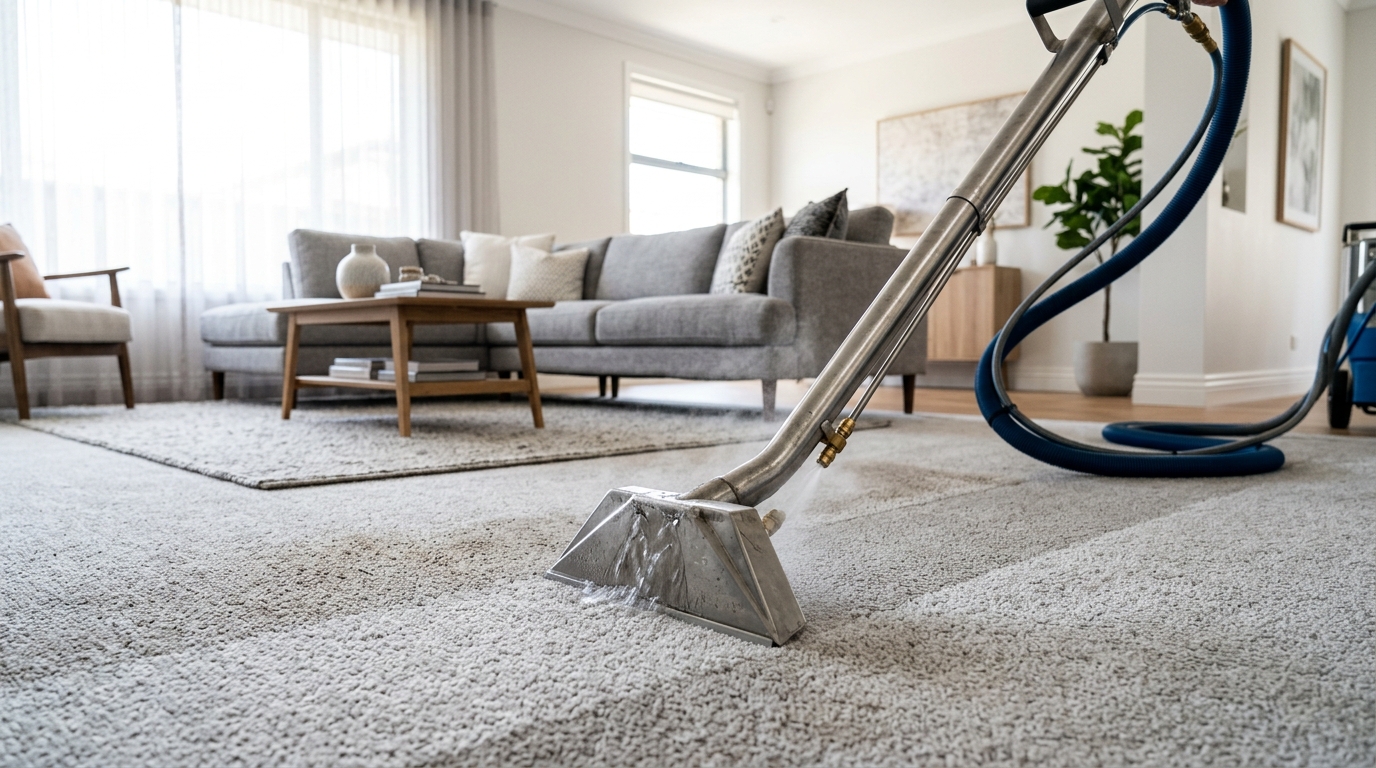
Authoritative textile restoration protocol based on IICRC S100 standards: fiber identification, extraction temperatures, acid neutralizing rinses, and spot chemistry.

Core Protocol Takeaways:

  • The Acid Rinse Rule: Always finish extraction with an acid rinse (pH 4.5โ€“5.5). Unrinsed alkaline soap residue acts like adhesive, turning traffic lanes black.
  • Fiber ID Dictates Chemistry: Synthetics (nylon/polyester) tolerate high heat (200ยฐF); natural wool and silk will shrink, felt, and brown above pH 8.0.
  • Two Dry Passes per Wet Stroke: Water left in carpet cushion padding triggers sour odors. Always make two dry vacuum passes for every one wet injection stroke.
  • Targeted Spotting Chemistry: Acids for tannins (coffee/wine), alkaline enzymes for proteins (blood/milk), and volatile dry solvents for oil and grease.

Textile Fiber Identification Matrix

Conducting fiber burn tests and checking furniture cleaning codes (W, S, W/S, X) to prevent permanent fabric damage.

Forensic Spotting & Residue Prevention

Preventing rapid resoiling with acid neutralization and blotting tannin, protein, and petroleum stains without pile distortion.

Evidence-Based Chemistry

Specialized Cleaning & Chemical FAQs

Frequently asked questions regarding chemical reactions, surfactant efficacy, landlord inspection disputes, and turnover timing.