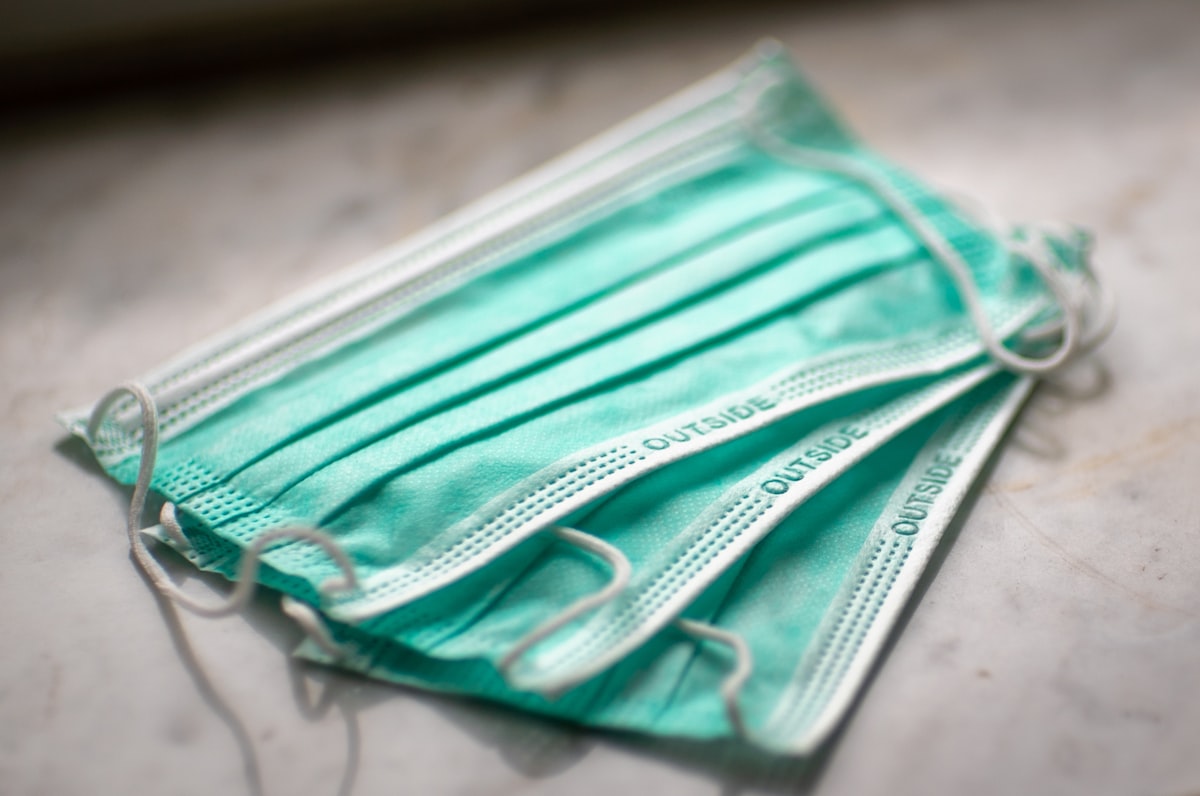
- ✓ OSHA Mandate: Biological fluids must be treated as infectious under Universal Precautions (OSHA 29 CFR 1910.1030).
- ✓ Porous vs. Non-Porous: All porous materials in contact with body fluids (mattress, carpet, padding, drywall, trim) are non-salvageable and must be bagged as regulated medical waste.
- ✓ Subfloor Migration: Fluids follow gravity into floor seams and sill plates. Failure to cut out and replace saturated subflooring guarantees recurring flies and permanent putrefaction odor.
- ✓ ATP Swab Verification: Biological sanitization must be scientifically verified using luminometers below 30 Relative Light Units (RLU) before sealing or reconstructing.
1. Forensic Decomposition Chemistry & Pathogen Vectors
When an individual passes away unattended, natural autolysis and bacterial putrefaction begin within minutes. As cellular membranes rupture, enzymes liquefy soft tissues, releasing gallons of biological fluids containing concentrated bacteria, volatile fatty acids, and infectious organisms.
The chemical profile of post-mortem decomposition includes:
- Cadaverine (1,5-diaminopentane) & Putrescine (1,4-diaminobutane): Volatile diamines produced by decarboxylation of amino acids. These compounds penetrate gypsum drywall, timber framing, and concrete pores.
- Bloodborne Pathogens: Hepatitis B Virus (HBV) can remain virulent in dried biological stains on room surfaces for over 7 days. Hepatitis C and HIV also present critical contamination vectors.
- Insect Infestation Vectors: Blowflies (Calliphoridae) arrive within hours, laying eggs that produce maggots. These larvae consume fluid-soaked materials and crawl beneath baseboards and electrical outlets, spreading pathogens throughout walls.
Applying household bleach to dry decomposition fluids fails to remediate the biological risk. Bleach rapidly deactivates in the presence of heavy organic matter (protein load), creates toxic chloramine gas when mixed with decomposition ammonia, and fails to penetrate porous subflooring. Remediation requires broad-spectrum hospital germicides certified under EPA List G.
2. Regulatory Framework: OSHA 29 CFR 1910.1030
Federal law strictly regulates occupational exposure to blood and other potentially infectious materials (OPIM). Under OSHA 1910.1030, commercial contractors performing biohazard work must maintain:
- Written Exposure Control Plan (ECP): Outlining containment controls, PPE, hazard communication, and decontamination protocols.
- Hepatitis B Vaccination Verification: All technicians on-site must have completed the 3-dose Hepatitis B vaccination series or executed a signed declination statement.
- DOT Hazmat Transport Licensing: Biological waste must be packaged in puncture-resistant, leak-proof red biohazard bags marked with the universal biohazard symbol, boxed in DOT UN-rated corrugated cartons, and manifested with a licensed medical waste incinerator.
3. PPE Standards & Decontamination Chamber Isolation
OSHA Level C Bio-Recovery Safety Protocol
0 of 5 completed4. Clinical 5-Step Decontamination Workflow
Step 1: Biohazard Assessment & Fluid Tracking
Technicians enter in full Level C gear with thermal imaging cameras and ultraviolet forensic lights to map the full migration path of body fluids across flooring, into walls, baseboards, and HVAC duct returns.
Step 2: Bulk Extraction & Porous Demolition
Mattresses, box springs, upholstered sofas, carpets, and padding are cut into manageable sections, double-bagged in 3-mil red biohazard bags, and placed into DOT-approved biohazard waste containers. Porous materials saturated with fluids can never be sanitized in place.
Step 3: Enzyme Pre-Digestion
Before chemical germicides are applied, technicians saturate biological stains with broad-spectrum bio-enzymatic digesters. The enzymes break down complex blood proteins and lipids into simpler water-soluble compounds, enabling germicides to penetrate directly to cellular bacteria.
Step 4: EPA Hospital-Grade Disinfection
An EPA-registered broad-spectrum disinfectant with verified kill claims for Hepatitis B, HIV-1, and Mycobacterium tuberculosis is applied with a minimum dwell time of 10 to 15 continuous wet minutes.
Step 5: Structural Sealing & Hydroxyl Deodorization
Cleaned structural joists and concrete are coated with a dual-stage antimicrobial barrier sealer. Industrial hydroxyl generators and HEPA carbon air scrubbers are run for 48 to 72 hours to oxidize airborne VOC odor molecules.
5. Subfloor Penetration & Structural Cut-Out Standards
When a body rests on carpeted floors for more than 48 hours, decomposition fluids migrate through the pile, soak the polyurethane foam pad, and pool on top of the plywood or OSB subfloor. Fluids then run along joists and seep into drywall cavities on lower floors.
| Substrate Material | Penetration Behavior | Standard Protocol Mandate |
|---|---|---|
| Carpet & Padding | 100% saturation; immediate liquefaction of backing. | Immediate removal & red-bag biohazard disposal. Non-salvageable. |
| Hardwood Flooring | Fluids seep between tongue-and-groove joints into underlayment. | Plank removal minimum 2 feet beyond visible stain boundary. |
| Plywood / OSB Subfloor | Capillary action pulls liquids deep into wood fibers and glue lines. | Cut-out of affected section; joist sanitization & replacement. |
| Poured Concrete Slab | Semi-porous; fluids seep into micro-fissures and aggregate. | High-pressure antimicrobial extraction, acid etch, & epoxy seal. |
6. ATP Bioluminescence Swab Testing & Clearance Protocol
How do you prove a death scene is safe for family re-entry? Visual inspection is scientifically invalid because microscopic pathogens and blood proteins are invisible.
CleaningHQ protocol mandates Adenosine Triphosphate (ATP) bioluminescence testing using a calibrated luminometer (e.g., Hygiena EnSURE Touch).
- Sampling Method: Technicians swab a 10cm x 10cm structural zone using sterile enzymatic reagents.
- The Firefly Reaction: ATP in biological cells reacts with luciferase to emit photons, quantified as Relative Light Units (RLU).
- Clearance Standard:
- Dirty / Contaminated baseline: > 500 RLU
- Standard domestic clean: 50 – 100 RLU
- Mandatory Biohazard Clearance: < 30 RLU
A signed Certificate of Biological Decontamination including ATP swab audit logs is delivered to the property owner and insurer.
7. Cost Estimates & Homeowners Insurance Coverage
In over 90% of residential decomposition incidents, homeowners insurance (HO-3 or HO-5 policies) covers 100% of biohazard remediation costs minus the policy deductible. Most remediation firms bill the insurer directly using standardized Xactimate pricing codes.
| Scenario & Elapsed Time | Required Work Scope | Average Cost Range |
|---|---|---|
| Discovered < 24 Hours | Localized carpet extraction, enzyme sanitization, 24-hr air scrubbing. | $1,800 – $3,200 |
| Unattended 2 – 5 Days | Carpet tear-out, localized subfloor cutting, biohazard manifest, 48-hr hydroxyl. | $3,500 – $6,800 |
| Unattended 7 – 14 Days | Extensive subfloor demolition, baseboard removal, insect abatement, structural sealing. | $7,000 – $14,500 |
| Unattended 2+ Weeks (Severe Multi-Room) | Total room tear-out, joist shaving, ceiling penetration, duct sanitization. | $15,000 – $28,000+ |
Unattended death remediation pricing depends on elapsed timeline, fluid depth, subfloor material, and biohazard transport miles. Use our dedicated interactive tool for an instant transparent breakdown.
8. Frequently Asked Questions (FAQ)
This technical document serves as a permanent site chain-of-custody and clearance record. Retain in property remediation compliance file for minimum 3 years per 29 CFR 1910.1030(h).